

When the Floods Come
Part 1 : Life by the coasts during a Super El Niño

Part 1 : Life by the coasts during a Super El Niño
There is an underreported weather phenomenon brewing up something diabolical right now in the Pacific Ocean. Something powerful is twisting in a titan’s gut. The ocean off the West Coast of South America, Central America and California is heating to a degree previously unheard of. Something called a Super El Niño is coming, and it threatens, among other targets, to tear down tinsel town, to hit the dream factory and turn Hollywood – the source of our nation’s aspirational fables – into a destroyed nightmare.
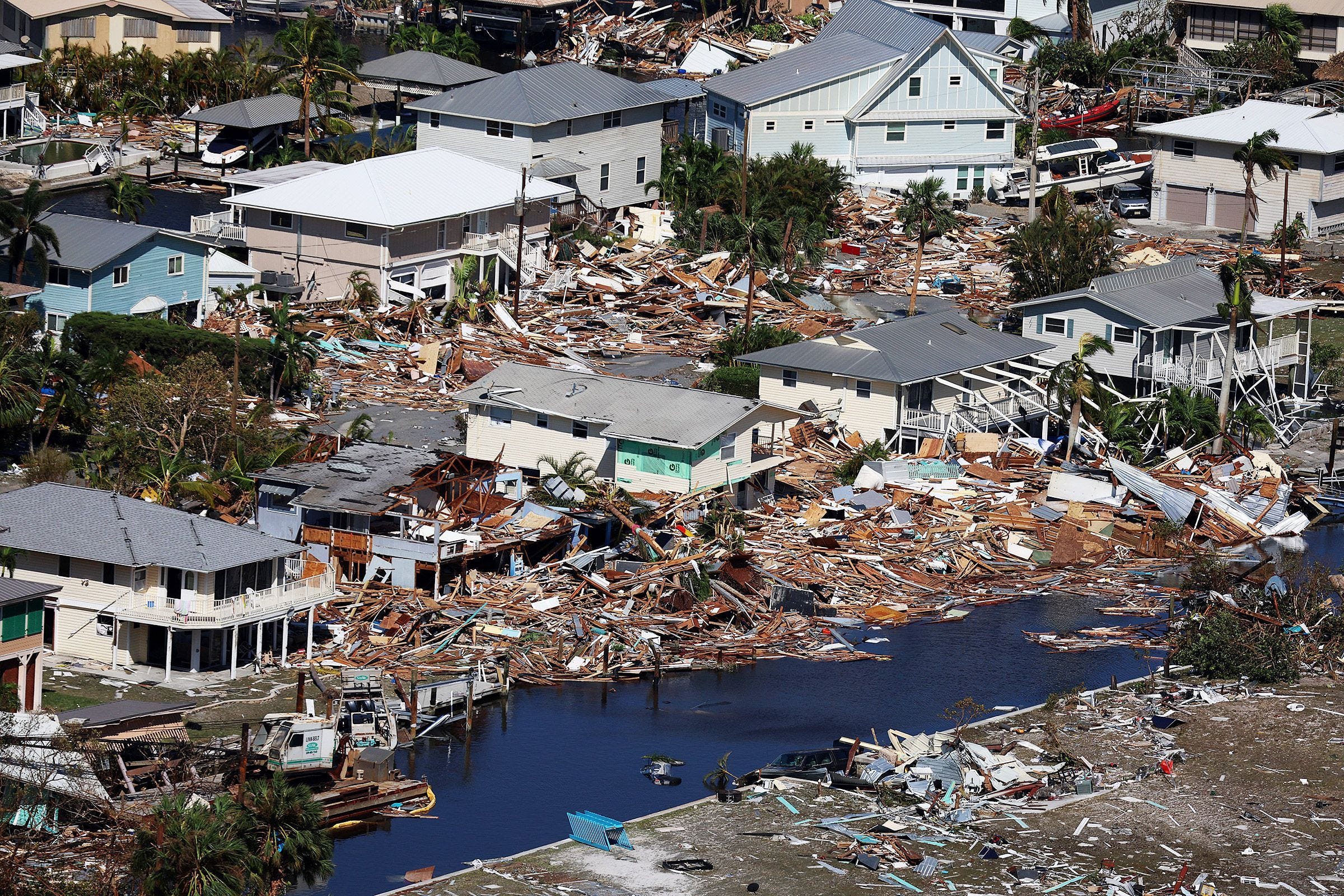
Before we move forward with this cautionary tale of what now looks extremely likely, it is important to give some context:
Last year was a La Niña, a weather event characterized by the Pacific Ocean temperatures off North America being, on average, 1.5 celcius degrees below (2.7 degree fahrenheit) the average. Now, scarily, we are in a rapidly heating El Niño with temperatures 1.5 degrees above average.
Unfortunately for the human race, because of all the carbon and methane we have collectively spewed into the atmosphere, La Niñas are now, on average, hotter than the El Niños from 2007. Meaning (just to really drill this point home) the Pacific Ocean’s previous high temperatures are now lower than Pacific Ocean’s current lowest temperatures.
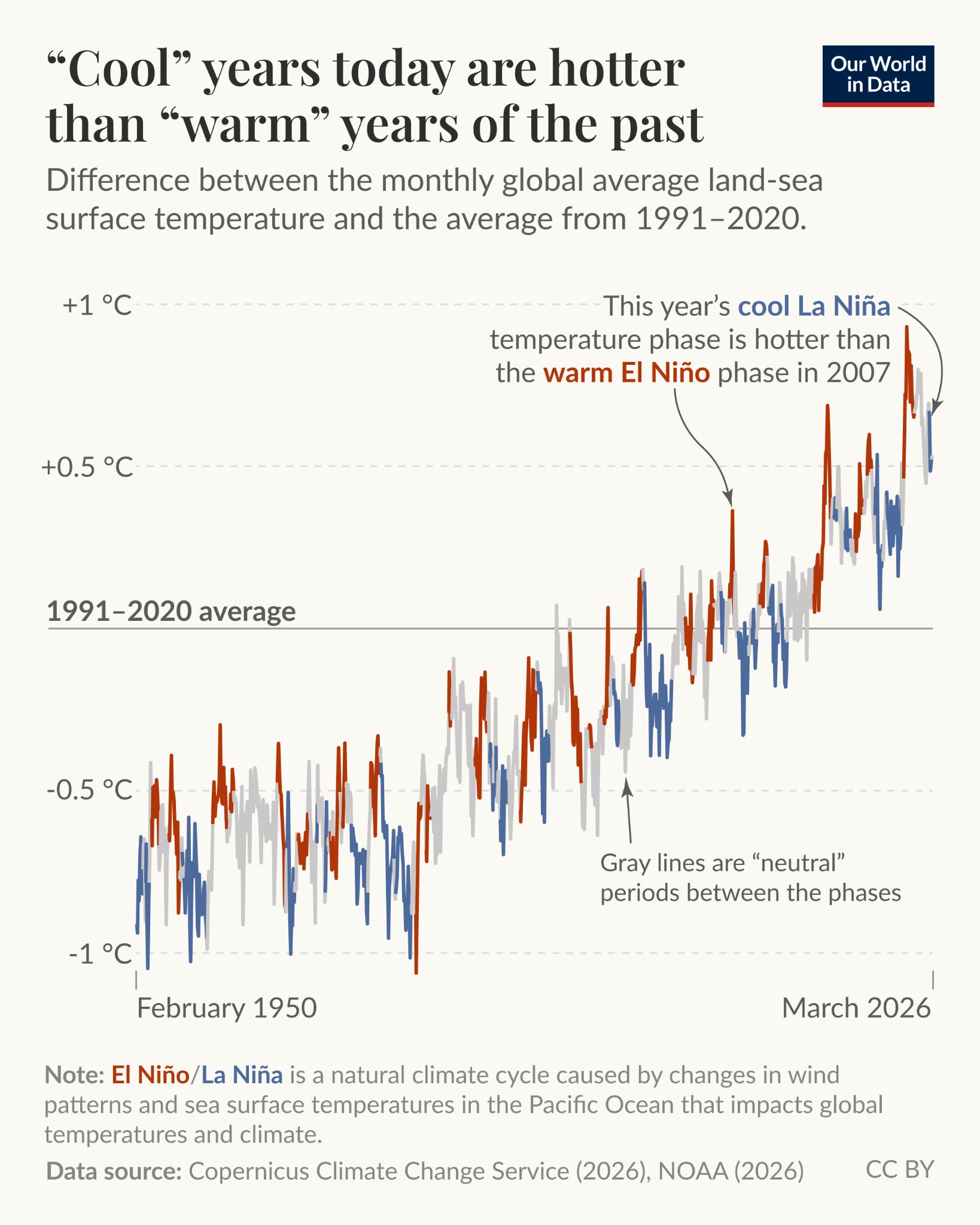
The averages are shifting at a breakneck pace, the oceans are boiling, the coral is bleaching, and this heat is giving birth to a new breed of superstorm. This is, to keep the Spanish going for a little longer, es un catástrofe.
A super El Niño (more than 3 degrees Celsius of warming, or 5.4 degrees Fahrenheit) is now 60% more likely in 2026 (that’s this year, for the folks paying attention at home).
The scenarios range from really bad to apocalyptic. In places like Los Angeles, more than 100,000 residents live within something called a 100-year floodplain. Meaning 100,000 (largely working class black and brown people) are susceptible to being swept away or drowned in storms that once occurred every century — but will now happen every decade.1
This process will repeat everywhere. In our new era of superstorms, almost any low-lying coastal city — New Orleans, New York, Miami, Tijuana – is susceptible to catastrophe. This year we must prepare ourselves both mentally and physically for the distinct possibility that superstorms once produced with CGI in the studios of Los Angeles (The Day after Tomorrow, 2012) are going to bear down on that same city.
The ocean being so uniformly warm is what makes the storms so dangerous. Los Angeles has gotten lucky before.
During the last El Niño in 2023, a tropical wave off the coast of Mexico strengthened into a Category 4 Storm named Hurricane Hillary, and barrelled towards San Quentin – a Mexican town in the mountainous Baja region at the border of Mexico and California. The storm was so huge that it threatened to stretch out from San Quentin and swallow much of Los Angeles, threatening to kill thousands, displace hundreds of thousands, and affect the lives of millions. Luckily, the Category 4 Storm hit a cold patch of water, weakening the wall of the hurricane. Hillary landed as a tropical storm, still strong enough to kill three people in Mexico and one in the US, and cause millions of dollars in damage to towns along the coast. The storm triggered mudslides and left around 350,000 people without power for 4 days.
This outcome was bad, but we must admit – we got lucky. Without that cold patch of water, it would have been catastrophic.
With this coming Super El Niño, there will be no such luck. There will be no cold patch of water big enough to stop it.
Unhindered, a full-blown Hurricane would have hit the region, with winds from 130 to 156 miles per hour, blowing the roofs off houses and knocking power out for weeks if not months. Untold scores of people would be killed or stranded.
This Super El Nino will ensure that no cold patches of water exist for the inevitable Category 4 and 5 Hurricanes they will spawn; there will be nothing to slow down the intensification of the storms supercharged by bathtub-temperature ocean water.
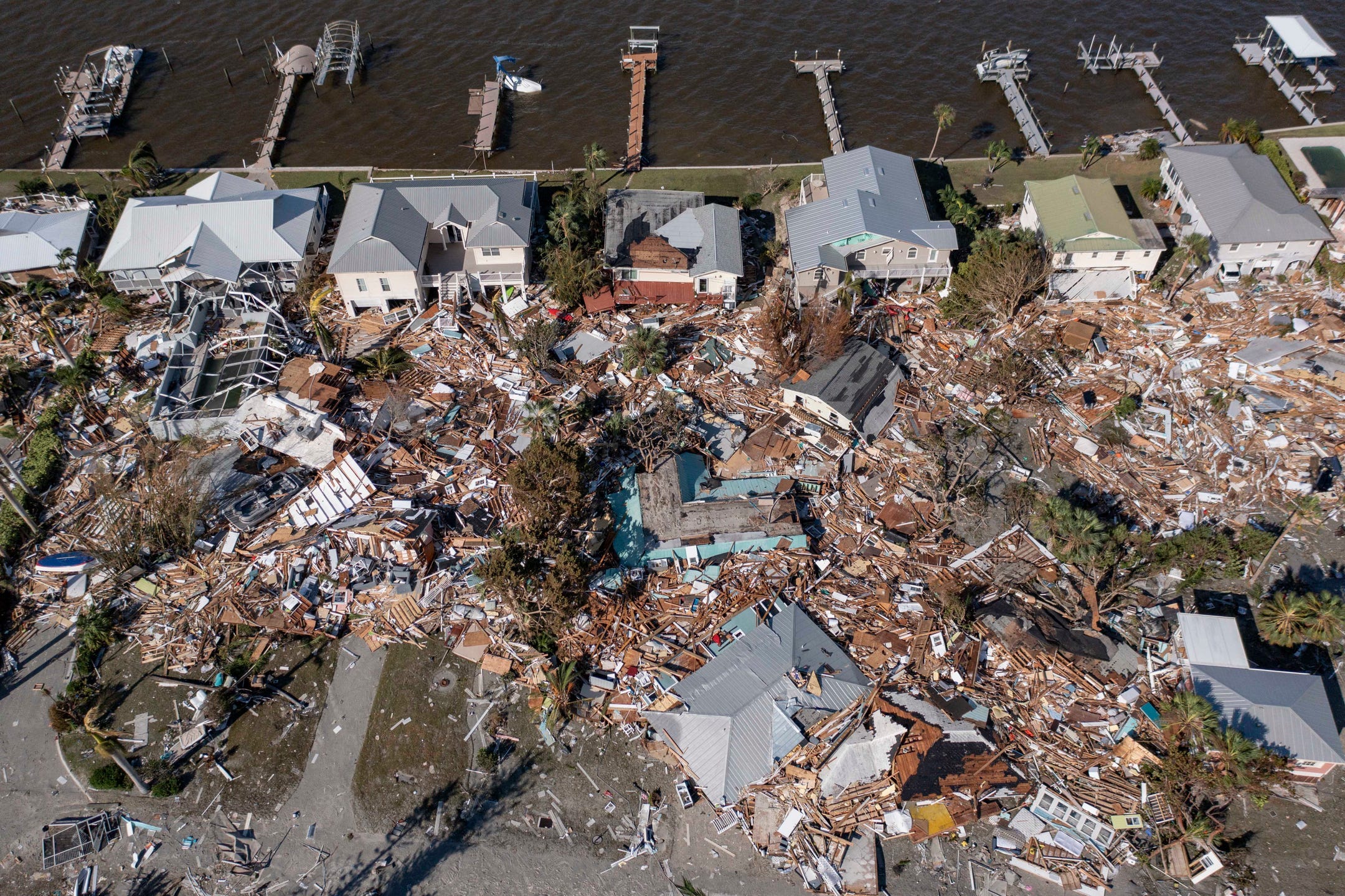
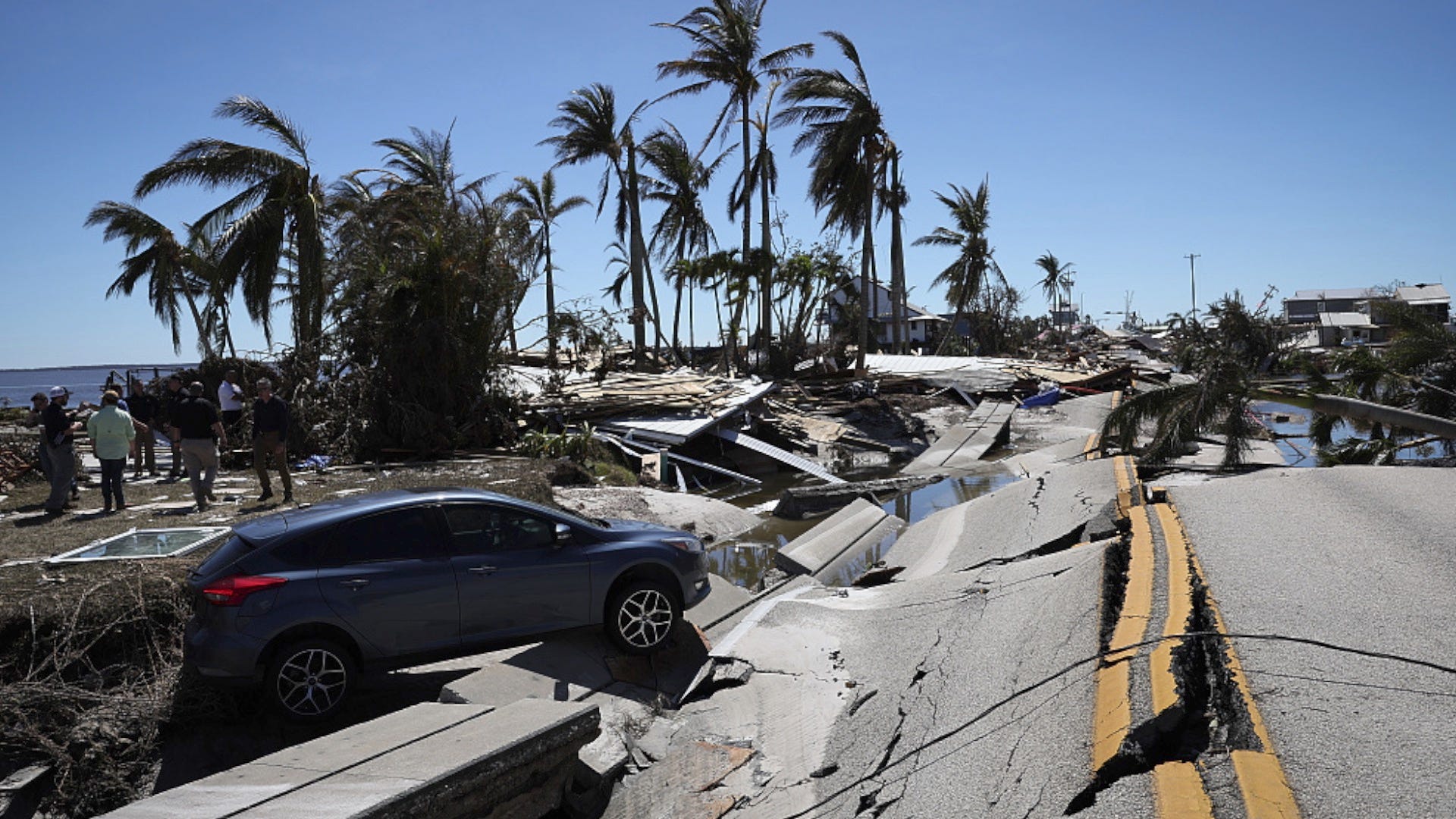
The possible destruction from a Category 5 Hurricane – with winds over 160 mph in towns along the West Coast of Mexico and the United States– Los Angeles specifically – is hard to wrap your mind around. Waves capable of reaching 100 feet tall can come ashore, turning low-lying areas anywhere near the Los Angeles River into sudden lakes.2 Hundreds of thousands of structures could be washed away. Without evacuations, many will drown.
The damage will come for the rich as it does the poor. Houses on stilts in the Hollywood Hills could be torn down in an instant. Mudslides will bring people’s dining room tables into roadways, blocking escape from the punishing storm. And that’s just assuming one hurricane hits. Water temps like this could spawn multiple hurricanes. 2026 could very well be the year that the luck on the West Coast of the United States fully runs out. Los Angeles, San Diego, Santa Monica, all are in grave danger with a Super El Nino at their doors.
In a sane world, a cataclysmic event like a Super El Niño would dominate the headlines. Every day, we would see stories about the inevitable superstorms and how they will affect everyone in America. (I will write about this next, but the super-heating of the Pacific Ocean will cause powerful thunderstorms out east as well) But, because our media is largely owned by 3 men (Bezos, Musk, and Ellison) who are all intent on creating data centers requiring more energy than entire states, we don’t hear much at all. Because publications like the New York Times take advertising money from the likes of Exxon Mobile and Chevron, there are only cursory headlines about the cataclysm we should be fighting every day.
A Super El Niño represents a policy failure and a failure of imagination all in one. Our ruling class refused to transition off fossil fuels fast enough, and now we must face nature’s wrath.
This will continue to be a theme in these articles. We must understand where we are in our communities. Are you in a flood plane? When the storms come, you must evacuate. Is your mansion on stilts? You too must leave, and warn the people who live below you that your house could very well careen down into theirs when the winds come and the mudslides start.
Above all, when the floods come, people must prepare to work together, and mutual aid networks must be set up in advance. Solar power and wind must take priority, so that Super El Niños don’t become our new normal. Because they can’t become our new normal. Cities of four million souls like Los Angeles simply cannot take it.
.. To be continued.
1 Terry Gilliam, Los Angeles Times
2. Patrick Pester, Livescience.com
 | A guest post by
|